Cotton pests: how to monitor and use biological control
Caterpillars, whitefly, mites and stink bugs attack cotton at different stages. Knowing where to look and when to step in makes biologicals work harder.
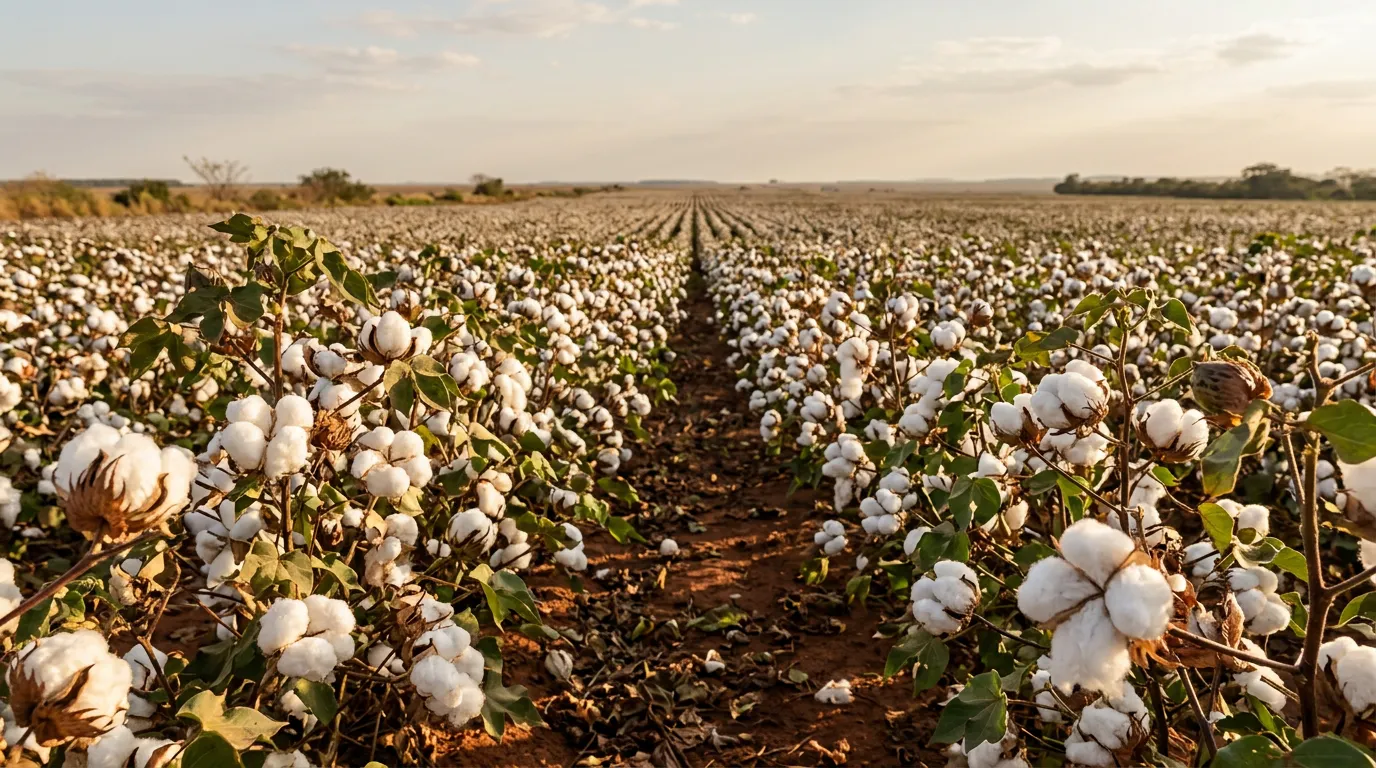
Cotton stays in the field a long time and attracts pests from the beginning to the end of the cycle. Some eat leaves and bolls, others suck sap. Each one calls for its own monitoring method and a different microorganism. Biologicals work best when they go in early, while the pest is still small and the population is low.
Caterpillars
Spodoptera, Helicoverpa and soybean looper eat leaves and attack the bolls. Use the beat cloth every week, count caterpillars per meter and assess defoliation. Step in when the action threshold is reached, with caterpillars up to 1.5 cm long, the stage when they are most susceptible to biologicals.
Blend Sect combines Bacillus thuringiensis, which acts by ingestion, Saccharopolyspora spinosa, which acts on the nervous system, and Metarhizium anisopliae, which infects on contact. Rate: 0.5 L/ha foliar.
Whitefly
It sucks sap, releases a sugary substance that favors sooty mold and transmits viruses. Check the undersides of upper-canopy leaves every week and step in at the first nymphs and adults.
Beauv Flay contains Beauveria bassiana, which colonizes nymphs and adults. Rate: 0.5 L/ha foliar.
Mites
They rasp and suck the leaves, which turn bronze and drop early. The population explodes in hot, dry weather. Use a pocket lens on the undersides of the leaves, paying attention to field edges and dry spells.
Blend Bug combines Chromobacterium violaceum, which acts by contact and ingestion, and Metarhizium anisopliae. Beauv Flay comes in as a complement for the mites that escape.
Stink bugs, thrips and aphids
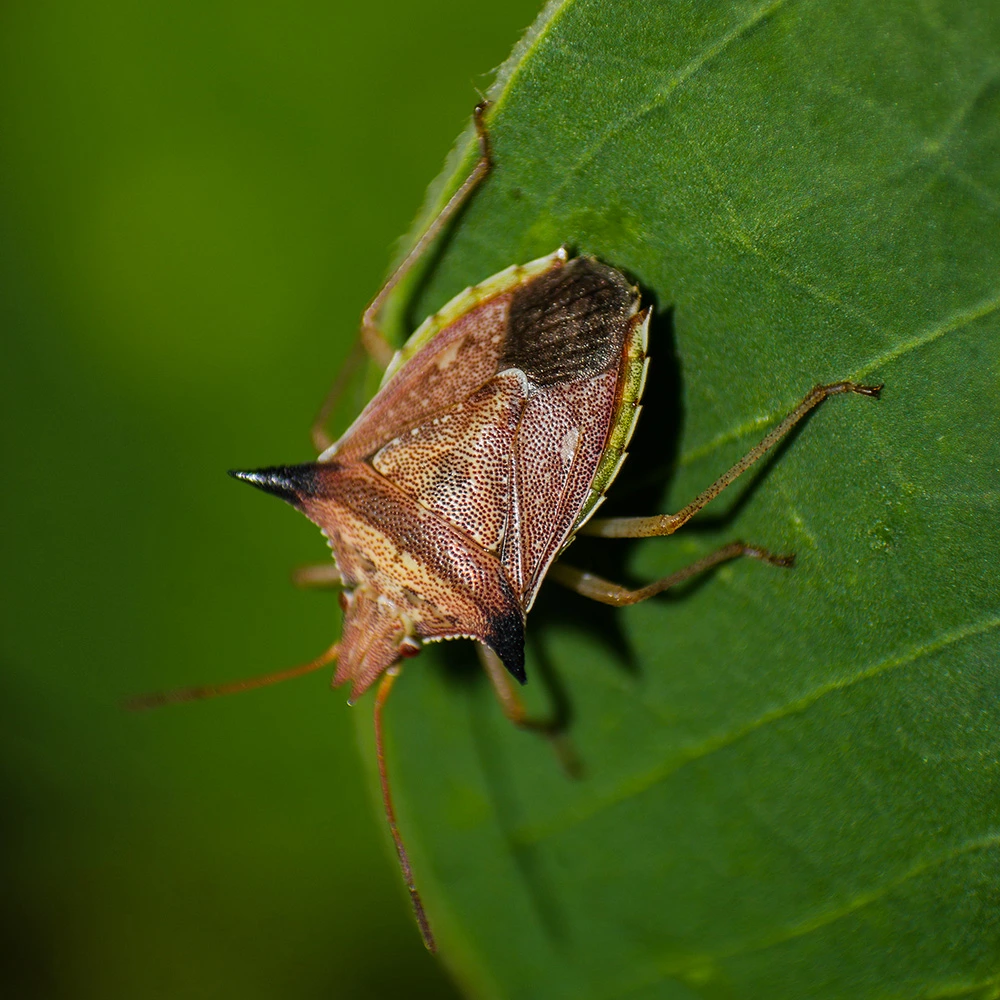
These are sucking pests that attack shoots, flowers and bolls. Blend Bug is also the main recommendation for them, always based on monitoring. Daubkill, with Beauveria bassiana and Metarhizium anisopliae, complements stink bug management.
Caterpillars: Blend Sect. Whitefly: Beauv Flay. Mites, stink bugs, thrips and aphids: Blend Bug. All at a rate of 0.5 L/ha foliar. The final decision on product and timing should be made with your agronomist.
Precautions for the biological to work
- Apply during the coolest hours of the day, preferably in the late afternoon.
- Ensure good coverage, including the undersides of the leaves.
- Check compatibility before tank-mixing with other products.
- Keep monitoring after application to find out whether the population has dropped.
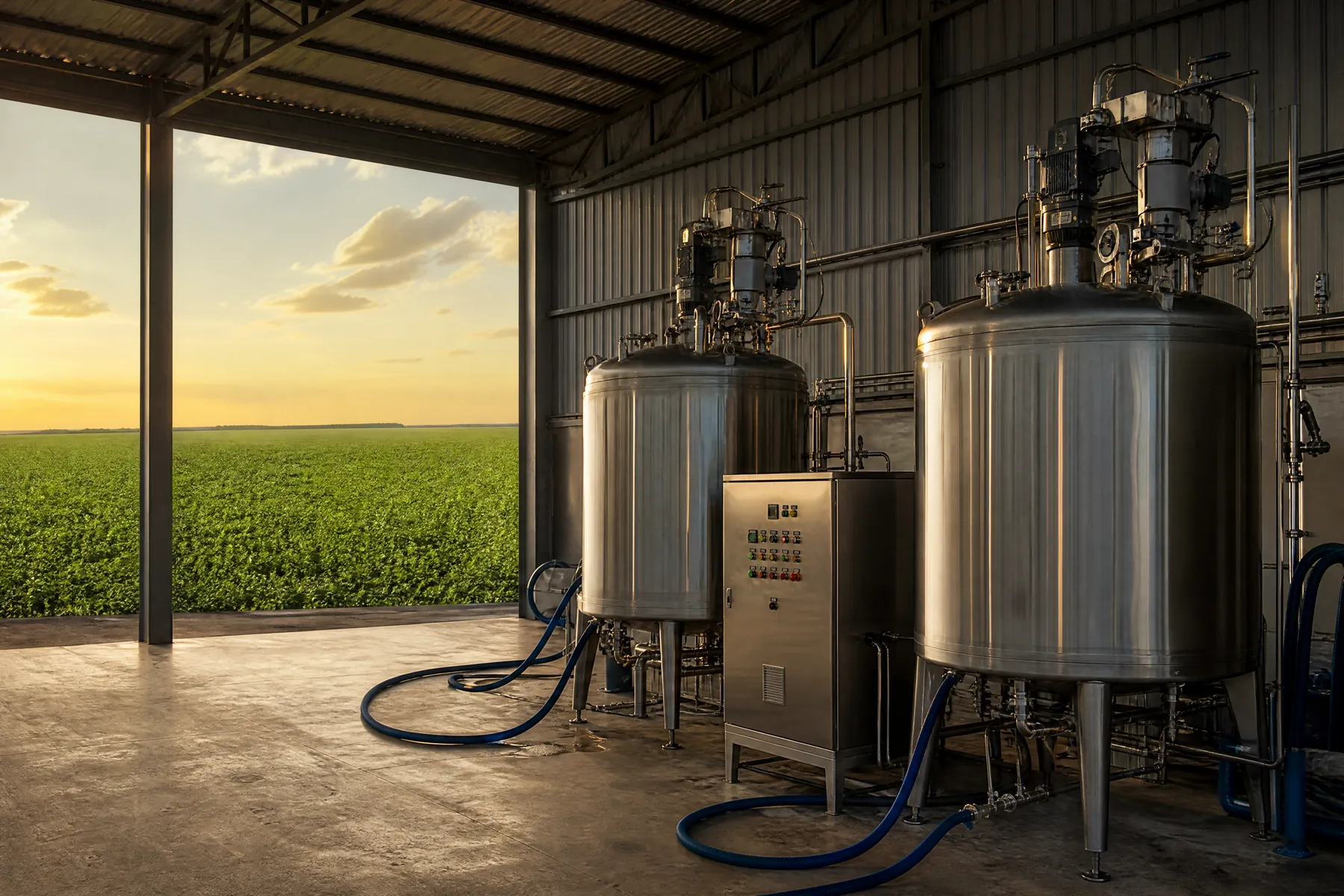
Growers who produce on the farm can multiply the same microorganisms with the Btfarm, Chfarm, Beauvfarm and Isarifarm kits. See also the pages on caterpillars, whitefly and mites.
The technical team will recommend the product and management for your case.