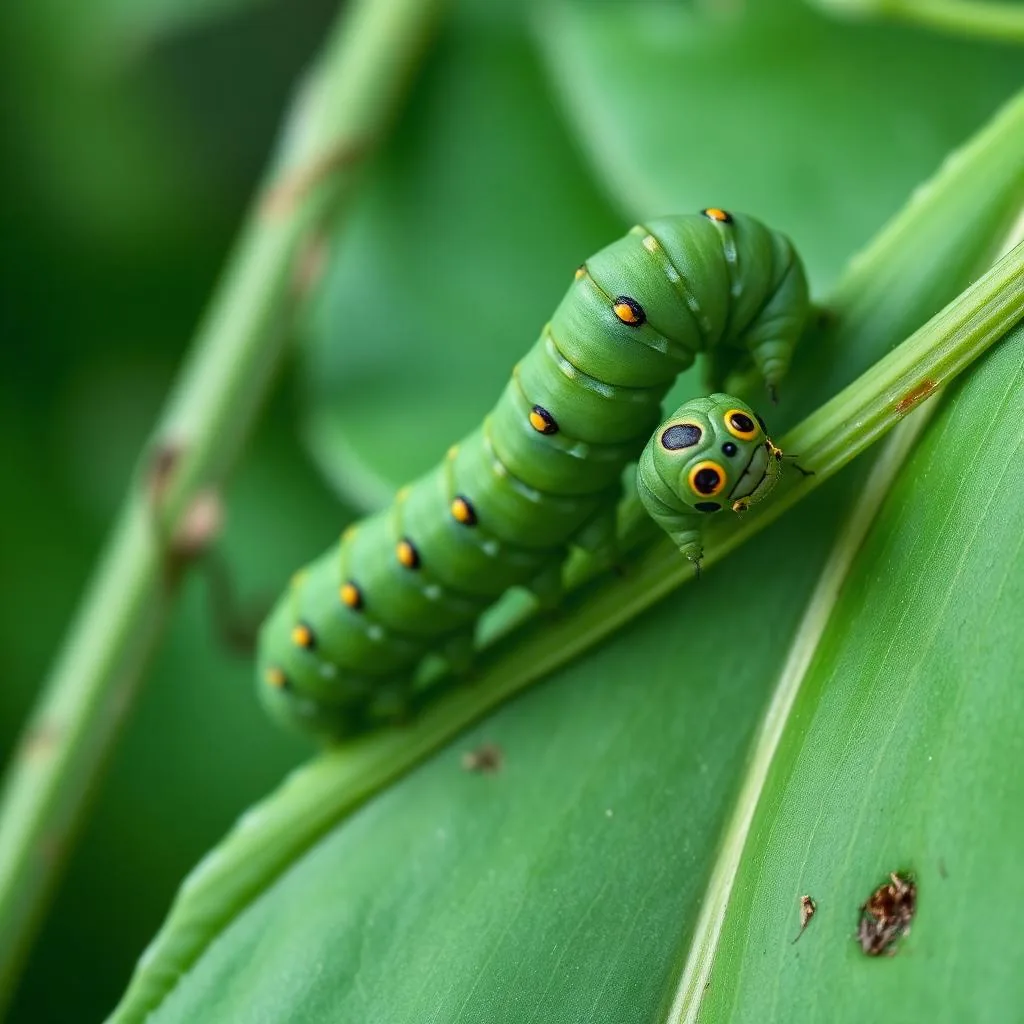
Caterpillars
Spodoptera, Helicoverpa, soybean looper
- We ship products throughout Brazil
- Pickup at our headquarters in Sinop, MT
- Bank of 17 microorganism strains
- 22 kits to produce biologicals on the farm
- In-house laboratory and plant
- Quality control on every batch
- Technical team alongside the grower
The damage
Chewing pests that eat leaves, pods, ears and bolls. They reduce the leaf area that produces energy for the plant and directly attack what will be harvested. Under heavy infestation, defoliation drives yield down.
Biological strategy
A multi-front attack: Bacillus thuringiensis acts by ingestion and paralyzes the caterpillar's digestive system, Saccharopolyspora spinosa acts on the nervous system and Metarhizium anisopliae infects the pest on contact. It is effective control even on populations that no longer respond well to chemicals.
When to apply
When monitoring reaches the action threshold, with caterpillars still small (up to 1.5 cm), the stage when they are most susceptible to biological control.
How to monitor
Weekly beat cloth sampling: count caterpillars per meter and assess the percentage of defoliation.
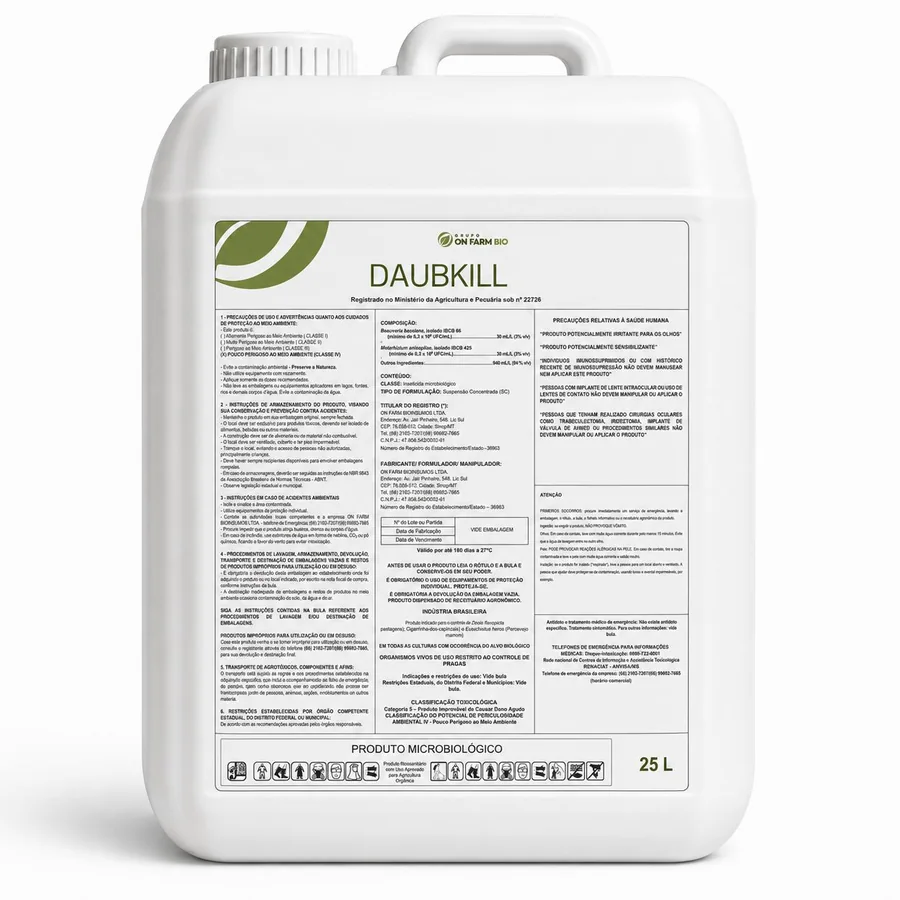
What to use
Reference recommendation. The recommendation for your area is made by the responsible agronomist.
Main recommendation
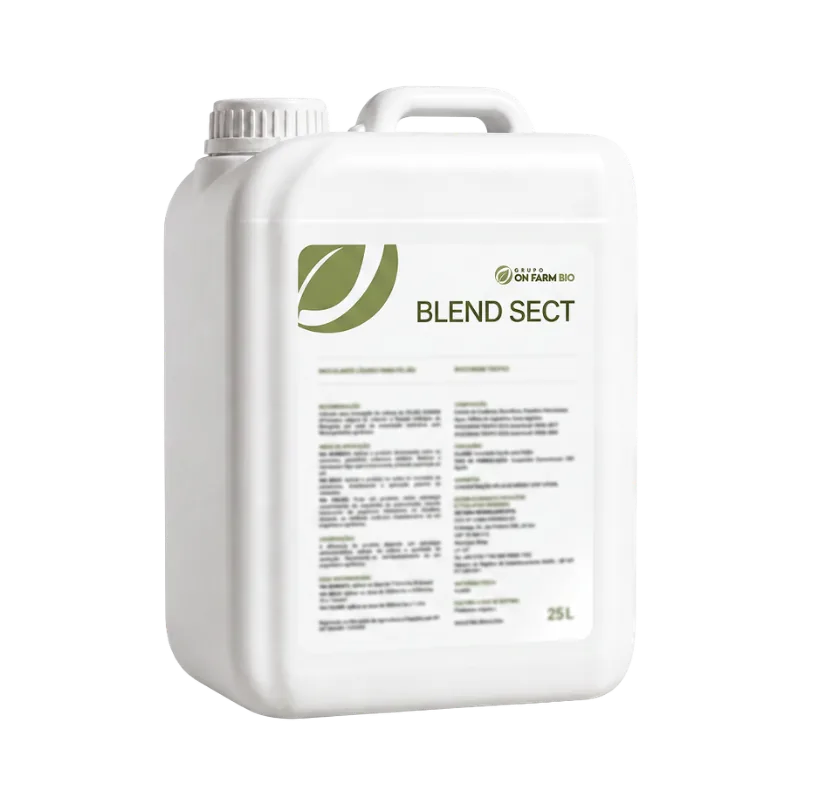
Complementary
To reinforce management, depending on pest or disease pressure.
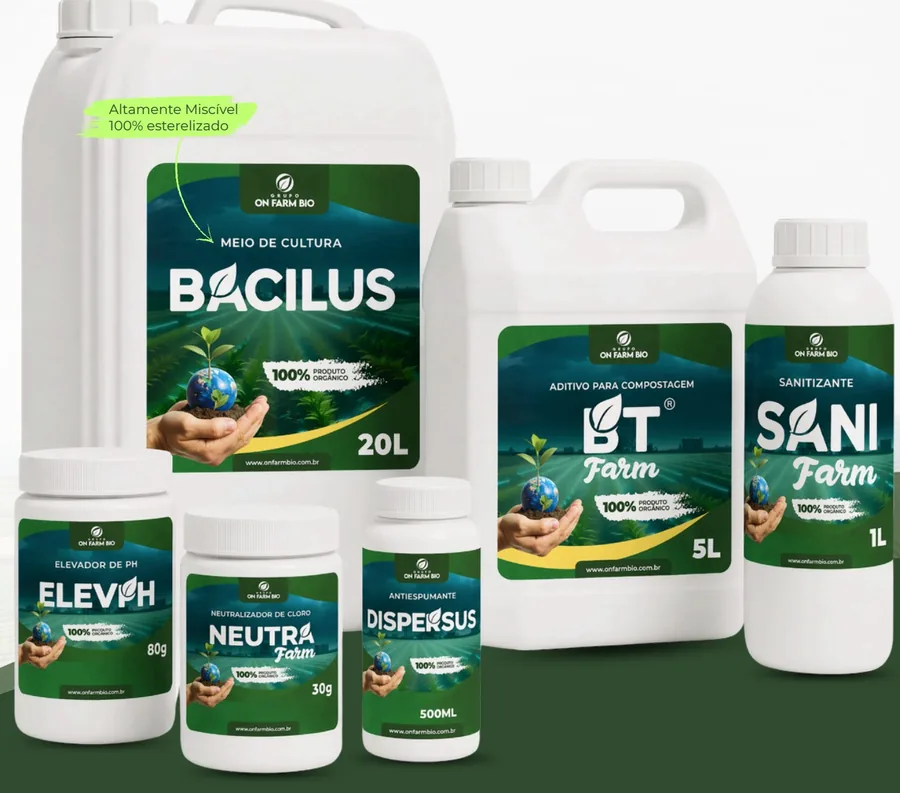
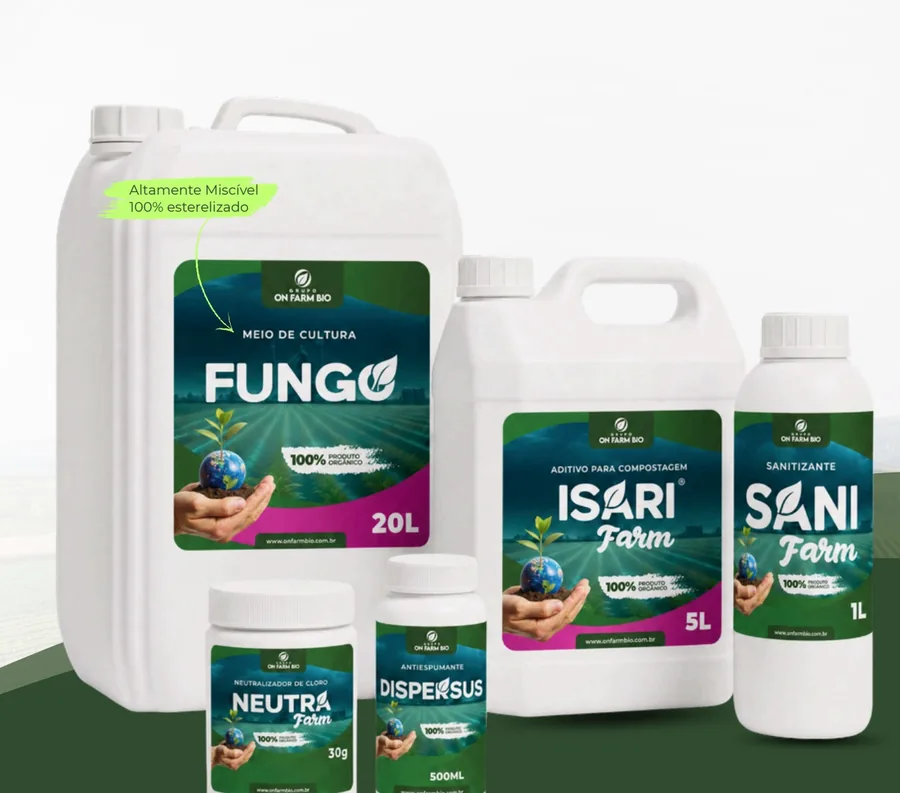
For on-farm production
The On Farm kits with the microorganisms that act on this problem.