Biological management in coffee: pests, diseases and roots in a single program
A coffee plantation stays in the same area for years. Protecting the roots, soil and leaves with biologicals helps keep the crop healthy season after season.
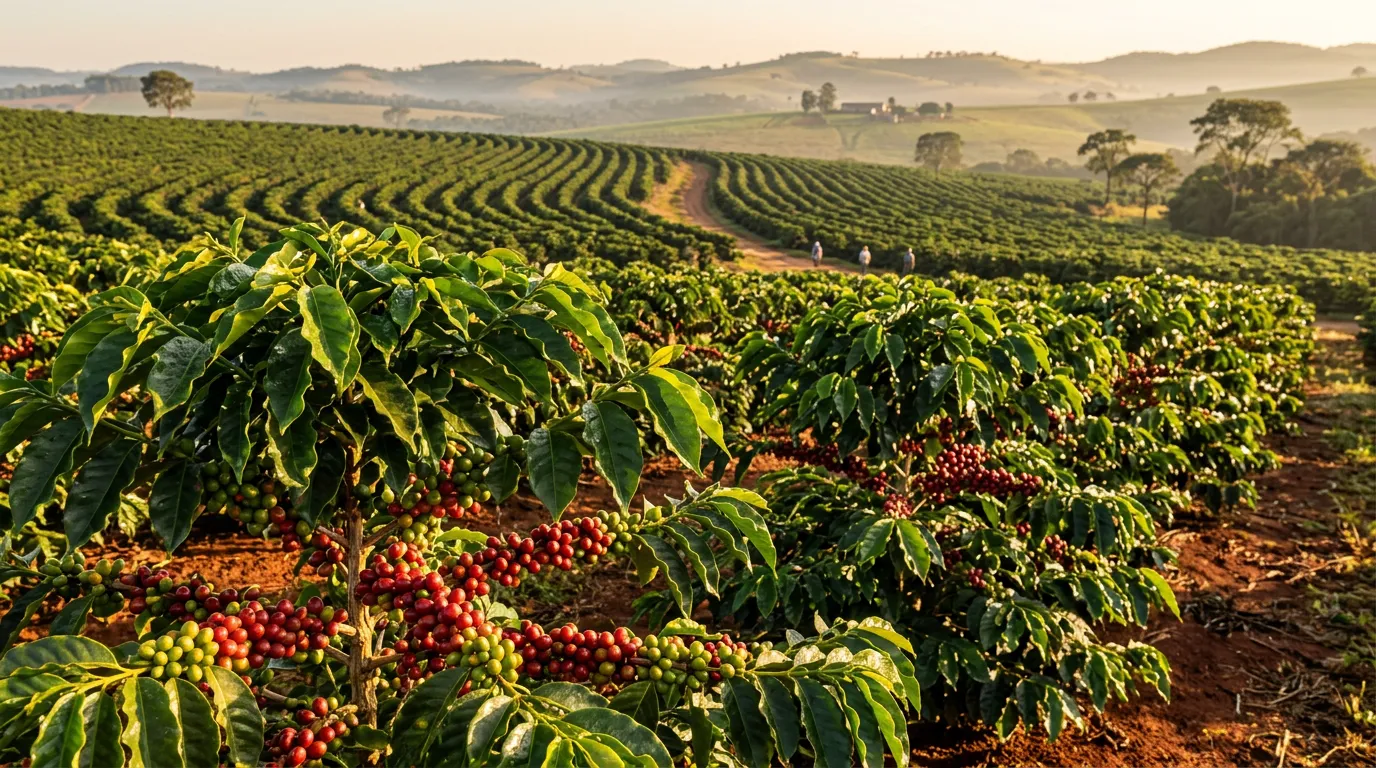
Coffee is a perennial crop. The same plant stays in the same place for many years, and soil, root and leaf problems build up from one season to the next. That is why biological management in coffee works best as a program, with each microorganism coming in at its own time.
Start with the roots
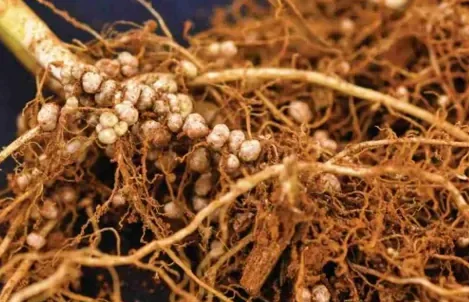
Nematodes and soil fungi attack the roots and do not show up right away. The plantation shows patches of weaker, yellowing plants that respond poorly to fertilization.
- Nematodes: Blend Nema contains Pochonia chlamydosporia and Paecilomyces lilacinus, which parasitize eggs and females, and Trichoderma harzianum, which protects the roots.
- Soil fungi: Multitricho, with Trichoderma harzianum and T. viride, colonizes the soil and roots and competes with Fusarium, Rhizoctonia and white mold.
- Root barrier: Blend Bac reinforces it with four species of Bacillus.
To keep track, run a nematode analysis of soil and roots and mark the patches on the map.
Phosphorus and nutrition
Much of the phosphorus applied gets locked up in the soil and never reaches the plant. Blend Phos, with Bacillus subtilis and B. megaterium, helps release phosphorus and other bound nutrients. Soil rate: 0.35 to 0.5 L/ha.
Leaf pests
In coffee, mites, whitefly, thrips, aphids and leafhoppers are among the pests that need attention:
- Mites, thrips and aphids: Blend Bug combines Chromobacterium violaceum and Metarhizium anisopliae;
- Whitefly: Beauv Flay contains Beauveria bassiana;
- Leafhopper: Blend Insect and Beauv Flay use fungi that infect the insect on contact.
Monitor the undersides of leaves and new shoots with a hand lens. Mites multiply quickly in hot, dry periods.
Leaf diseases
Blend Fung, with Bacillus amyloliquefaciens, B. subtilis and B. pumilus, is applied preventively within the fungicide program. It competes with pathogens on the leaf and helps manage resistance to chemicals.
Blend Bug, Beauv Flay and Blend Fung: 0.5 L/ha foliar. Blend Nema and Multitricho: 0.35 to 0.5 L/ha soil. Adjust the recommendation for your coffee plantation with your agronomist.
Precautions
- Apply during the coolest hours of the day.
- Check compatibility before mixing with fungicides and other products.
- Repeat soil applications every season in areas with a history of the problem.
See the pages on nematodes, mites and foliar diseases, or talk to the technical team.
The technical team will recommend the product and management for your case.